Showing posts with label Disrupting Healthcare. Show all posts

Wednesday, 24 August 2016

Transcutaneous Bilirubin Meters For All

Improving Newborn Health In India
This blog has already written about the widespread problem of infant jaundice in our post on phototherapy devices like Brilliance & Firefly. The typical diagnostic approach is to look for yellowing of the skin and eyes of an infant that does not go away within 5 days of birth. If it does not, then an infant may be subjected to invasive blood tests using needles. This can be painful and dangerous to the infant, and it is often difficult to draw blood from infants.

Two devices widely used in India are able to diagnose jaundice using high-pressure liquid chromatography, the Pharos device from Rural Diagnostics and D-Rev & the Philips BiliChek system. Both are portable, low-cost, non-invasive diagnostic tools for use in monitoring the serum bilirubin levels of neonates before, during, and after phototherapy.

Philips BiliChek System
The opportunity to scale these technologies in India was enabled in part by the creation of Accredited Social Health Activists (ASHAs) by the Ministry of Health and Family Welfare in 2005, with the goal of having 250,000 ASHAs nationwide by 2012, or at least one per village. The total number of ASHAs reported in 2013 was much larger than the target at 870,089, and this widespread basic health monitoring capability enticed firms like Rural Diagnostics to equip them with bilirubin monitors for newborns.

At resale prices of ~$5,000, the Philips BiliChek device may still be out of reach for most ASHAs, so it will be up to Pharos and Rural Diagnostics to bring the price to a level that can scale the use of the technology among India's ASHA's, and ensure reliable diagnosis of neonatal jaundice to the 15 million Indian babies born outside the hospital system each year. However, an internet search does not return a current website for the Pharos product, which may have been acquired, discontinued, or changed names. If you know, please let us know in the comments section below.


Opportunity in U.S. What is currently being done?
One skilled nurse friend working at a birthing and neonatal care center in Salt Lake City recently asked a colleague about their process for diagnosing jaundice in newborns. Her colleague said that they first check bilirubin levels with a scanner as part of a standard workup; if they see a concerning reading, they will do a heel stick blood draw to verify. She also mentioned that their scanning devices 'suck,' and she wishes they had something more accurate. In this sense the technology may be parallel to old fashioned bladder scanning devices that are essentially blind and less accurate in their readings of bladder volume. In other words, the opportunity in developed healthcare markets may be sustaining innovation leading to better, more accurate bilirubin monitors, whereas the opportunity in resource-constrained markets remains disruptive innovation to make basic devices accessible to all.

Thursday, 13 August 2015

Medtronic's Micra Pacemaker: Game-Changer, or Business As Usual?

The Incumbent Market
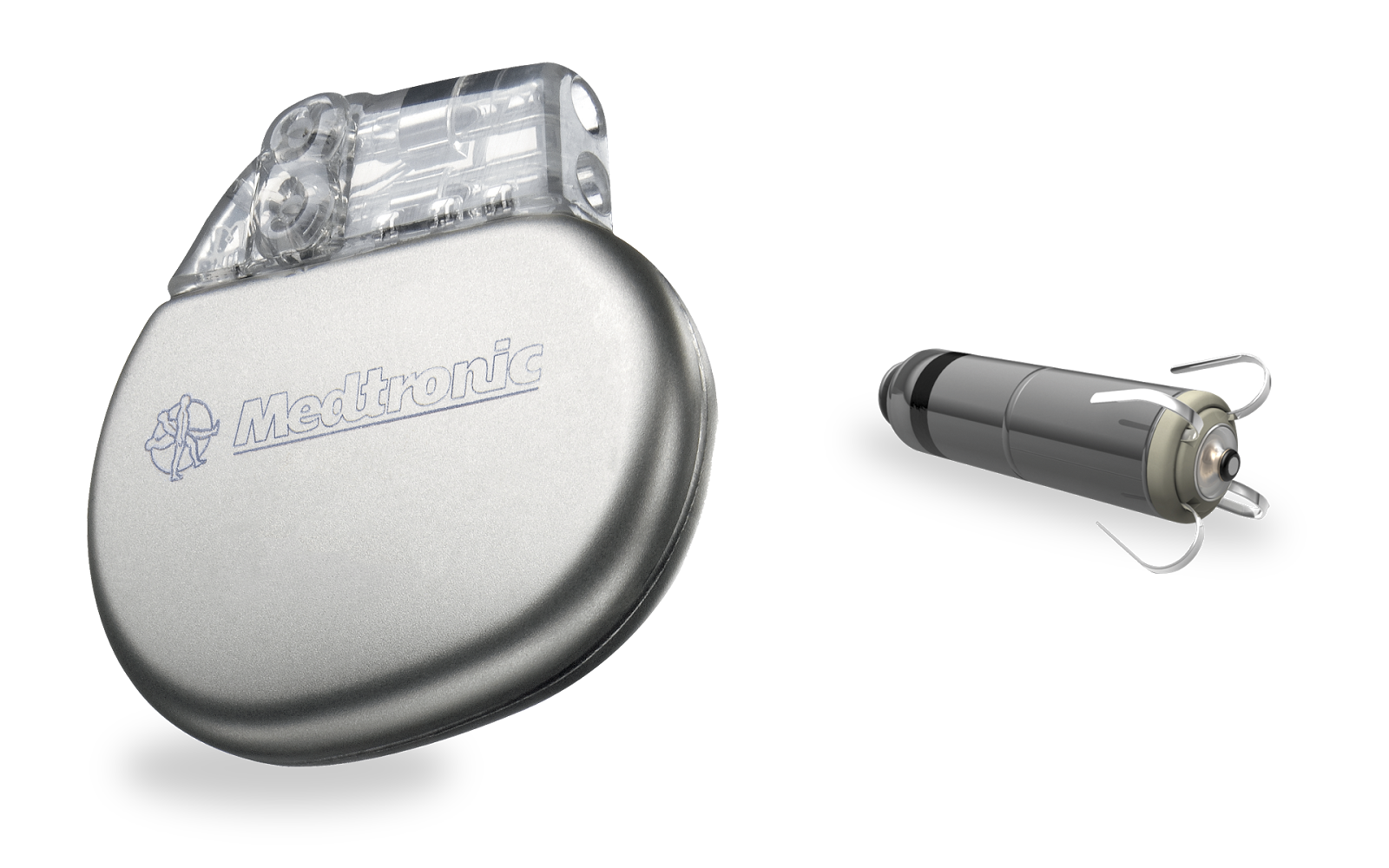
Pacemakers are indicated for use in some patients with arrhythmias (irregular heart beats) where electronic pacing is helpful; for example, pacemakers are the most common treatment for bradycardia (a slow heartbeat) and over 1 million are implanted each year around the world.

Pacemakers require a skilled cardiologist to implant the device under the skin near the collar bone and then affix the leads to whichever areas of the heart need pacing. The leads are a weak feature of pacemakers as they sometimes fracture, and the risk of infection from implanting a large foreign object into the body is also substantial.

Depending on the patient's particular arrhythmia, either single- or dual-chamber pacemakers are indicated. The price of a pacemaker can run from $3,000 - $7,000, but the average price seems to be about $4,000. Assuming that average price holds around the world, the pacemaker market is worth about $4 billion per year in new device sales alone.


The Disruptor
Medtronic has developed the Micra, a vitamin pill-sized 'Transcatheter Pacing System' only 1/10th the size of a traditional device. While
Medtronic Micra TPS
much of the engineering for this device has likely occurred across international borders, the Indian market and Medtronic's long-standing presence there was a big part of the company's motivation to develop this technology. 

In a 2010 TEDMED talk Dr. Oesterle, SVP for Medicine and Technology at Medtronic, explained that, "Right now, in the United States, for our population, we have somewhere in the region of 3,000 cardiologists who are trained in implanting pacemakers." By contrast, there are only about 1,000 implanters in India, for a population of more than one billion. By providing a technology that aligns better with the skill sets of more physicians, pacemaker technology can be delivered to more patients. That's good business for Medtronic. 

The benefits of the Medtronic Micra TPS include cosmetic invisibility, implantation directly into the heart, minimally invasive and easier implantation procedure, and a lead-less form factor. The device's battery life is estimated to be nearly 10 years and, once positioned, it can be easily repositioned and retrieved if necessary. The device was awarded the CE Mark in Europe after initial findings from Medtronic's global clinical trial were positive. 


Could Medtronic's Micra TPS Succeed in The U.S.?

Medtronic could go one of two marketing routes with this device. On the one hand, they could market it disruptively as a pacemaker that performs less well on some dimensions (it's only indicated for single valve right atrial fibrillation representing about 10% of those who need a pacemaker in the U.S. per year), but better on others (less invasive, less risk of lead fractures and infections, and easier to implant), and costing less than incumbent models in the hopes of expanding the market size by targeting the needs of those who've been over-served or left out altogether by existing offerings. 

In this scenario, the 'rebar' Medtronic could target initially would be the 10% of patients indicated for single-chamber rather than dual-chamber pacemakers. Over time the technology would likely progress to the point of overtaking traditional pacemakers on most relevant dimensions and provide Medtronic, and potentially St. Jude's who is also developing a lead-less pacemaker called the Nanostim, with a huge competitive advantage as the smaller form factor becomes the normal therapy for most patients indicated for heart pacing. There would also be a very attractive increase in the volume of international sales as Medtronic offers the smaller, more easily implantable device at accessible price points around the world. I also wonder whether physicians could treat arrhythmias indicating dual-chamber pacemakers by implanting two Micra devices: One in each chamber, further increasing the volume of sales. Another potential source of significantly increased volume of sales are additional pacing applications enabled by the 'deep miniaturization' research Medtronic has been doing to build Micra. Dr. Oesterle mentions some of these applications in his TEDMED speech, and they are very exciting, including things like neurological pacing for mood disorders. 

On the other hand, Medtronic faces short-term financial pressure to recoup expenses incurred in the development of Micra that could amount to over $100 million according to one observer who estimated that Medtronic will probably charge in excess of over $10,000 per device and will seek a new, higher reimbursement code from CMS. This is business as usual and it's the kind of behavior that's been driving our healthcare costs to unsustainable levels in the U.S. 

Even if the latter scenario reflects Medtronic's pricing strategy for Micra in the U.S., the company should seriously consider selling the Micra TPS at very low prices in emerging markets like India. The promise of increasing access to life-saving pacing technologies by simplifying the implantation procedure will be squandered if the price remains an insurmountable barrier for most patients. 

Tuesday, 4 August 2015

ReMotion: An $80 Prosthetic Knee

The Incumbent Market
There are an estimated 10-20 million amputees in the world with about 2 million in the U.S. alone. Nearly 190,000 amputations are performed in the U.S. per year, and over 90% of these, or about 170,000, deal with the lower limbs.

Lower extremity prosthetic limbs for Western markets range in price from $8,000 to $50,000 and will need to be replaced every 2-4 years, mostly due to degradation of the device. A good example of a high end incumbent leg prosthesis is Ottobock's C-Leg costing approximately $50,000 in the U.S.

The U.S. market alone for lower extremity prosthetic limbs could therefore include $3.5 billion per year in new amputee fittings, plus another $9 billion per year in replacement fittings assuming that 25% of the 1.8 million lower extremity amputees in the U.S. replace their prosthetic each year and that the average price of a lower limb prosthetic is $20,000. This is a total market size of approximately $12 billion per year!


The Disruptor
The additional 8 to 18 million amputees in the world, most living outside of wealthy countries, face wrenching financial, health, and social challenges due to limb loss. In India alone, there are an estimated 5.5 million people living with locomotor disabilities arising from polio, congenital
The ReMotion Knee
conditions or amputations largely due to agricultural and traffic accidents. Most of these people cannot afford Western prosthetics, so disruptive companies like the famous Jaipur Foot in northern India have risen to meet the challenge of providing suitable, safe, and affordable prosthetics for Indian patients and low income patients across the globe. In fact, Jaipur Foot is the world's largest fitter of prosthetic limbs by volume, having provided prosthetics to over 1.4 million patients since their founding in 1975.


Jaipur's original prosthetic knee joint for above knee amputees, the Polycentric Jaipur Knee, although low cost and reliable caused problems of undesirable clicking sound, rotational instability and alignment. Over 7000 of these Knees have been fitted since the product's introduction in 2008. The Jaipur Knee was named as one of the world's best inventions by Time Magazine in 2009

D-Rev has helped design Jaipur Foot's next generation above the knee prosthetic leg, the ReMotion Knee, which still retails for less than $80 and operates as a poly-centric knee with world-class performance. More than 79% of patients fitted with the knee are still wearing it, and D-Rev's rules to create world-class products, be user-obsessed, and market driven have resulted in several design improvements that help dampen sound, improve the prosthetic aesthetics, and still maintain low-cost, scalable production potential.


Could The Re-Motion Knee Succeed In the U.S.?
Jaipur and D-Rev are rightly celebrated for providing affordable high-quality prosthetics to the developing world and the need for them to do so is urgent and large. But is there also a market for the ReMotion Knee in the U.S.? Which patients, payers, and providers might welcome the opportunity to fit a $100 above the knee prosthetic that performs 'well enough' to justify the cost savings? Are there enough of them to comprise a viable market and justify the additional cost of seeking FDA approval for ReMotion? How much cost would operating in the U.S. add to the device?

There are indications of demand for more disruptive prosthetics in the U.S. and North America generally. A recent crowd-funding campaign to fund the other half of a Carleton University student's new prosthetic leg came about because, after insurance coverage, he was still left with an out-of-pocket charge of over $10,000. He is not the only one who would find it difficult to pay that bill every 2-4 years.

One non-profit organization called e-NABLE seeks to donate 3-D printed prosthetic limbs to those in need and most of their activity has been within Western markets so far. They have over 5,500 members and have received a Google award of $600,000 for their work.

How many of the approximately 170,000 lower-limb amputees in the U.S. per year would be interested in fitting themselves with a ReMotion Knee?


_______________________________________________________________

Addendum from Dr. Pooja Mukul, Technical Director of Paul Hamlyn International Center of Prosthetics & Orthotics at BMVSS, Jaipur:
In 2007 when Mr. D R Mehta, Founder & Chief Patron of BMVSS, was visiting San Francisco he was introduced to some of the faculty at Stanford University by Dr. Armand Neukermans. Mr. Mehta gave a presentation about the work we do at BMVSS which was greatly appreciated at Stanford. Following his visit Dr. Neukermans informed Mr.Mehta that the Stanford University was interested in collaborating with BMVSS and this led to the signing of a formal MOU between BMVSS & Stanford University. 
The first research project that was jointly undertaken was designing a Prosthetic Knee Joint. The team of Stanford students visited BMVSS and after several brainstorming sessions it was decided to base the Knee joint on the Polycentric concept. Therefore from the very outset the design was Polycentric and not monocentric as you had noted in the draft for your blog. 
The first prototype of the Polycentric Jaipur Knee was ready in August 2008. After successfully going through the laboratory tests,clinical trials were commenced.
The initial user feedback in respect to stability in stance, ease of initiation of swing, toe clearance, acceptability, compliance and durability was very positive.
As you may have seen,the Jaipur Knee featured in the Time Magazine's November 2009 issue as one of the 50 best inventions of the world for that year. 
However, on long term follow up, we did have a few mechanical failures and patients voiced some concerns. The patients disliked the clicking sound that the joint made at terminal stance, after prolonged use the threaded portions became loose resulting in sudden rotation of the prosthesis, patients living in hilly or desert terrain suggested that an optional lock would enhance their confidence while negotiating challenging terrain and they also felt that the aesthetics needed to be improved. The joint was designed to interface with the existing prosthetic componentry at BMVSS but after observing the success of the design it was felt that to permit a more widespread use of the design it should be compatible with conventional prosthetic componentry commonly used in centers around the world. The user feedback was shared with the Stanford team that made several trips to BMVSS during the project. Many design modifications were made between 2008 - 2011. 
In 2011 the students graduated and the design was passed on to D-Rev a non profit organization for further development. A formal agreement was then drawn up between BMVSS and D-Rev and we have been working together since. D-Rev rechristened the Jaipur Knee as "ReMotion Knee" after incorporating changes that addressed the problems raised by the users at BMVSS. 
In 2013 we received the Indo-US Science & Technology Forum (IUSSTF) grant to carry out design and cost optimization for mass manufacturability and India Pilot Trials for the ReMotion Knee (which was technically the Version 3 of the Jaipur Knee).
We carried out trials of 41 ReMotion Knees as part of the IUSSTF project. The feedback was passed on to D-Rev, some design modifications were carried out and a Version 4 is now in the process of being manufactured. 
We continue to use the Jaipur Knee (Version 1) and have so far fitted 7350 patients of which 1900 were in 14 countries outside India. 
We are currently working on another project with the Stanford University , in which we are developing a Terminal device for upper extremity amputees. This has all been made possible by Dr. Armand Neukermans who is an ardent supporter of BMVSS.

Saturday, 13 June 2015

Brilliance & Firefly: Reducing Infant Mortality With Blue Light

What Is Infant Jaundice?

Mild jaundice is a condition shared by most newborn infants where an excess of bilirubin--a yellowish byproduct of the body's destruction of old red blood cells--results in a yellowish tint to the skin and the whites of the eyes. These symptoms typically appear within the first 5 days of life and disappear naturally within a week or two; however, about 10% of all newborns worldwide are unable to process bilirubin quickly enough and require jaundice treatment to prevent death or lifelong disability. This amounts to about 13 million infants per year.

The most common treatment for serious cases of newborn jaundice is phototherapy (PT) where an infant's skin is exposed to blue light until the jaundice abates. As the light is absorbed through the infant's skin it helps to break down the bilirubin making it easier for the infant's organs to absorb and process it.

While PT is a straightforward treatment, many infants in developing countries do not have access to it due to traditional machines' limited affordability and form factor appropriateness for these environments. Every year over 6 million infants needing PT treatment do not receive it. Of course this gap in device fit between developed and developing countries is typical: One Duke study found that 98% of medical equipment sent to developing countries is broken within 5 years.

Firefly & Brilliance: Better Phototherapy For The World 

To address this gap, at least two innovation design firms--D-Rev and Design That Matters (DtM)--have developed PT machines that are designed for success in emerging markets. The machines use more effective, efficient light sources, distribution and manufacturing partners local to the target
markets, they can cost as little as one-sixth the price of standard PT machines at retail plus they save over $250 per year in bulb replacement costs by switching from Compact Fluorescent Lamps (CFLs) to special blue LED lights. At right is a photo of D-Rev's Brilliance.

Brilliance and Firefly are making an impact. For example, the East Meets West Foundation installed over 40 Firefly devices across Myanmar in 2014, where before Firefly there were over 100 exchange blood transfusions taking place every week across the nation due to lack of phototherapy and long travel distances to hospitals.


Both companies have partnered with other organizations to achieve significant inroads across primarily southeast Asia and Africa. To-date, over 1,000 installed Brilliance devices have treated almost 70,000 babies. Brilliance devices are currently installed in 13 countries. They are located in South Asia, East Africa and South America (Colombia, Ecuador, India, Malawi, Malaysia, Myanmar, Nepal, Pakistan, Philippines, South Africa, Tanzania, Thailand, Uganda). Phoenix Medical Systems, D-Rev’s India-based partner, continues to expand into new markets. As of April 2015, DtM partners East Meets West Foundation and Vietnamese manufacturing partner MTTS have installed Firefly in fourteen developing countries across Asia (Cambodia, East Timor, Laos, Malaysia, Myanmar, Nepal, Philippines, Singapore, Thailand, Vietnam), Sub-Saharan Africa (Burundi, Ghana, Nigeria), and the Caribbean (Haiti). These devices have already treated over 12,000 newborns and will treat at least 88,000 over their lifetime. Each company has plans to expand significantly.


Could D-Rev's and DtM's PT devices succeed in the U.S.?

With their fresh design approach, D-Rev and DtM have ended up creating devices poised to succeed in Western markets as well as developing markets. Brilliance has the CE Mark and Firefly shortly will. The Firefly device has 2-sided lighting that can cut the time required for therapy from 3 days to only 24 hours. Both devices are very easy to use and clean.

Standard PT devices in the U.S. cost about $3,000 each at retail. At comparable levels of performance, devices like Brilliance and Firefly might sell for under $1,000 at retail. The current blue light LEDs in use across most devices are estimated to last up to 120,000 hours, so replacement costs for these are negligible amortized over the device lifetime. 

One potential challenge in the U.S. is that newborns with no other health issues than jaundice are increasingly cared for at home using devices like PT blankets such as those offered by Biliblanket Rentals for $95 per day. However, plenty of providers treat jaundiced infants in NICUs and a U.S. market for Brilliance and Firefly may lie with providers who would welcome the opportunity to provide PT in a more cost-effective, efficient way.


Question For Discussion:

  • Could Brilliance and Firefly disrupt phototherapy devices in the U.S.?

Saturday, 11 April 2015

Hearables: When Will They Appear in Your Ear?

Note: Guest post by Klas Johansson, @DisruptiveMT

What Is A Hearable?

The term "hearable" was introduced in April 2014 as a subclass of wearables related to hearing. The hearing industry has for decades been working on what we today call wearables. Miniature electronics, software driven technology and 3D printing out of impressions of individuals ear canals have been standard practice for decades within the largest manufacturers of hearing aids. Some attempts have been made to use that hearing aid knowledge and introduce consumer products for non-­hearing-impaired people. Examples are wireless custom made ear protectors, in-ear health monitors and Bluetooth headsets. These products have been very successful in niche segments such as very active hunters and audiophiles. No real product has been launched with the potential to attract a larger customer base, but this may change in the near future: The hearable market is expected to explode to $7.5 billion by the end of 2018.


Why Now?

One important trend to keep in mind is the fitness wave and the possibility to use a smartphone to do everything from listening to music to recording exercise data. To do both of these activities today, a person would need both a pair of headphones and a fitness band. But not with a pair of in-ear hearables: With only a Bluetooth connection they measure heart rate, calories burned, oxygen level, and steps taken, all while playing music wirelessly. Afterwards, the user can analyze her training data and vital statistics on her smartphone and even get voice feedback during training. One exemplary innovator in this space is the German company Bragi who has, with their product The Dash, also focused on the fitness segment of the hearables market.
Earin by Epickal

Traditionally, the big argument against Bluetooth hearables criticizes the devices’ size, design and battery capacity. No one wants ugly, clumsy products requiring constant charging. A lot of R&D dollars have been focused on limiting the battery usage of Bluetooth technology, and today there are already products in the marketplace that address the size issue. A Swedish start­up, Epickal, raised $1.7 Million and got preorders of about 8,000 units for their Earin product during a 40-day Kickstarter campaign last summer. Their main focus is a small,  wireless Bluetooth earbud with excellent sound quality. The dimension of these earbuds are only 14.5mm x  20mm with a rechargeable Li­-Ion Button Cell battery, as shown at right.


The Giants Are Moving

There are several more startups in the hearables space, but what are the real giants planning to do? One hint came in May 2014 when Apple bought Beats for $3.2 billion. A lot of speculation has followed that this acquisition will become Apple’s platform for entering the hearables market. Data from the hearables could be used in conjunction with other Apple products such as HealthKit and ResearchKit. Other giants have also expressed interest in this area; for example, Intel has partnered with the artist 50 Cent. When a cool product with nice design, good functionality, high ease of use, and high battery endurance is introduced it could be a real game changer. We can expect that the 6 largest manufacturers of hearing aids are following this field closely together with leaders such as Apple, Google, Samsung, Intel, Sony and HTC. Data from optical sensors in a hearable will be used to improve fitness while playing music and providing other auditory value at the same time. So: when will hearables appear in your ear?

Tuesday, 31 March 2015

Embrace: A Worldwide Infant Warmer

The Origins of Embrace

While all innovations currently featured on Globalhealth.care are 'from' India, their geographical origins are in reality hard to place. Sometimes they arise in the mind of an MIT graduate student in Cambridge, and other times in the mind of a local entrepreneur in Chennai. But always the innovator is designing a value medtech product for low-resource settings, and India becomes the primary or initial market for the finished product.

The story of the Embrace Warmer illustrates the international nature of innovation very well. Four entrepreneurs at Stanford from various academic and cultural backgrounds met in the Design School's 2007 "Design For Extreme Affordability" class, and began to look for unmet clinical needs in emerging markets. They were Jane ChenRahul PanickerNaganand Murty, and Linus Liang.

The team's first trips to South Asia keyed them into the magnitude of the high premature infant death rate problem. Worldwide, there are fifteen million premature babies born each year. About 3 million of these currently die, mostly in the developing world, and usually within their first month of life. One of the main health challenges for these infants arises from their lack of body fat. Weighing only between 500 and 2,500 grams, it is difficult for them to regulate their own body temperatures. The mother's skin-to-skin embrace is a highly effective form of warming, but it is not feasible for mothers to embrace their infants 24-7. And so families in low-resource settings that lack the infrastructure or cash for expensive incubators and electricity-hungry radiant warmers, turn to devices that under-serve their needs: Thermal boxes, hot coals, hot water bottles, tubs, or light bulbs. These homespun solutions are dangerous and inconsistent.

The team began to envision a safe product to keep premature babies warm that would cost only 1% of a traditional incubator's price tag of $20,000. In fact, incubators are the clinical gold standard for premature infant warming, but the team actually observed one being used as a filing cabinet in one Indian rural clinic! Jane Chen explains:
"What we needed was not just a lower-cost version of what exists today. We needed something that could function without a constant supply of electricity; something that was easy enough for a mother, a midwife, a healthcare worker to use. Something that would stay at a hospital but also a village clinic." 
In other words, the 'golden standard' technology is sometimes too expensive, too demanding, or otherwise too inaccessible to effectively address widely held public health challenges around the world, such as premature infant warming.


The Embrace Warmer

Embrace Warmer
After months of iterative prototyping, and incorporating as a non-profit, the Embrace team released the first version of Embrace Warmer at an initial retail price of between $200-$300, depending on distribution logistics. Each warmer is reusable, easily cleaned, and continuously warms an infant at the optimal temperature of 98 degrees F by the means of an innovative phase-changing sheet of wax that is quickly and precisely heated by a jolt of electricity via the warming device shown at right. Once melted, the wax holds its temperature for 8 hours. To date, the Embrace Warmer has served over 150,000 infants in over 11 countries.

To accelerate access to the product, Embrace has split their mission into two entities. The non-profit Embrace owns the IP, donates product to the world's neediest populations, as well as provides training and education in maternal care. The for-profit social enterprise Embrace Innovations licenses the IP, pays for continued R&D and manufacturing, and sells product to paying entities like governments and hospital systems. In this way, Embrace hopes to expand quickly while still remaining financially viable.


Could Embrace Warmers Disrupt NICUs / Incubators in the U.S.?

Neonatal Intensive Care Units (NICUs) are expensive to build and maintain, so hospitals typically place infants weighing below 2,500 grams in the NICU incubators not only to be on the safe side, but also to cover their expenses and generate additional profits. The potential overuse of NICUs in the U.S. is further highlighted by a study from Intermountain Healthcare's insurance arm, Select Health, which found that electively induced infants were 2-3x more likely to be placed in intensive care on average. This finding helped to curb their OBGYNs' widespread acceptance of casual elective induction, and by modifying their evidence-based guidelines for child birth, Intermountain has reduced this expensive practice. But this story is not typical among U.S. hospitals: Intermountain is one of the few truly integrated providers in the U.S., which gives them the means, will, and power to enforce obviously beneficial efficiency gains.

The gains might go further. For instance, the Embrace Warmer is indicated for use with infants weighing between 1,500 and 2,500 grams. While premature babies' weight can be as little as 500 grams, 95% of them weigh more than 1,500 grams, and do not necessarily require the 'golden standard' treatment available in hospital NICUs to survive and be healthy. What kind of savings could the U.S. realize if premature infants weighing between 1,500 and 2,500 grams without additional complications were wrapped in an Embrace Warmer and delivered to their mother's bedside rather than placed in a NICU incubator? One recent Business Insider article entitled Prematurity Rates Are Too High - And Children's Hospitals Are Cashing In calculates average hospital stay costs for premature babies at $275,000 higher than for the average non-premature infant. There are 500,000 premature babies born per year in the U.S., apropos a proportion that has grown markedly in recent decades. Assuming that just 50% of these babies could be given a $300 Embrace Warmer instead of spending time in the NICU, the U.S. would save nearly $7 billion per year.

The Embrace Warmer is manufactured to the highest standards of quality, and the product has received the CE Mark, indicating the possibility of FDA clearance in the U.S.. In fact, Embrace Innovations is already planning a U.S. launch of a direct-to-consumer product called the Little Lotus Baby. The product is a high-tech blanket containing sensors enabling temperature control and likely some degree remote monitoring. The company has not yet released details, but the launch is scheduled for April 15th, 2015.

Jane Chen has stated that revenues from this product ". . . will go towards subsidizing our work in developing countries," which is an echo of the successful Tom's Shoes strategy. I hope it works, but an even more successful way to make money may be in disrupting the $15 billion U.S. NICU market with a souped-up version of the Embrace Warmer.


Question For Discussion:
  • Could a 'smart' version of the Embrace Warmer disrupt traditional incubators in the U.S.? 

Tuesday, 24 March 2015

TrueLab: A Portable Infectious Disease Diagnostic Lab for $8,000

The Diagnostic Promise of PCR Technology

Infectious disease continues to be a major part of the health burden that emerging markets face. Diseases like Tuberculosis (TB), Malaria, Swine Flu, and Hepatitis B kill millions of people each year, and maim the lives of many millions more. Antibiotics can help with certain pathogens, but their misuse and indiscriminate application have led to the rise of drug-resistant 'super-bugs' that are now one of humanity's most serious public health risks. Such mis-directed therapies result from the over-marketing or adulteration of medications, a lack of qualified doctors, and an inability to efficiently and accurately diagnose people for precisely targeted treatment.


The latter two factors are where technology can be especially helpful. Diagnostic technology that can accurately and quickly diagnose disease can provide the data necessary to make precise therapy recommendations, as well as mount targeted interventions to forestall or manage outbreaks.

To encourage and guide appropriate diagnostic innovation for infectious diseases, the World Health Organization (WHO) developed the ASSURED criteria stating that devices should be Affordable, Sensitive with very few false-negatives, Specific with very few false-positives, User-friendly requiring minimal training to use, Rapid to enable treatment at first visit, Robust, e.g. not requiring refrigeration, Equipment-free, and Delivered to those who need it, i.e. Point-of-Care (PoC). These criteria are set against a backdrop of incumbent laboratory-based diagnostic testing methods, which require specialized infrastructure and highly skilled technicians, in addition to being expensive. They are also time-intensive, running batch tests for 4-6 hours at a time, and returning individual test results 1-2 days after the order was placed.  These limitations of traditional equipment ensure very low adoption rates within the markets that have the greatest need. There are Rapid Diagnostic Tests (RDTs) available for some pathogens, but their sensitivity rates are low, often around 50%.

Polymerase Chain Reaction (PCR) diagnostic tests solve the sensitivity issue by isolating and identifying pathogen-specific nucleic acid from body fluid samples, but the PCR devices from companies like Abbott, Roche, and Cepheid still operate on incumbent models requiring air-conditioned labs, batch testing, continuous power supply, and laptops for readouts. While less expensive than traditional laboratory setups, the lowest-cost PCR systems from large players are still expensive for broad emerging market use, costing upwards of $35,000 for just the hardware. They may also perform a limited or less-relevant range of tests, e.g. Cepheid's golden standard GeneXpert product only tests for TB, and still costs about $60,000.


India's Answer To The ASSURED Criteria


TrueLab Uno Dx Real Time Micro PCR Analyzer 
Infectious disease remains a critical public safety concern in India. In fact, an MSN article from March, 2015 highlights the "massive TB crisis" that is killing about 1,000 Indians per day. No doubt this is a multi-faceted problem, but one facet is that very few if any imported diagnostic devices fit the WHO's ASSURED criteria. Responding to this need, The New Millennium Indian Technology Leadership Initiative by the Council of Scientific and Industrial Research funded Bangalore-based Bigtec Labs to help solve this problem by creating a true PoC micro-PCR device that is easy to use, low-cost, portable, independent of continuous power, and has wireless data transfer capability. Bigtec started work on this technology in 2004 and, over the next ten years, succeeded in creating the TrueLab micro-PCR system that does meet all of the ASSURED criteria, and is now being marketed by Molbio Diagnostics, headquartered in Goa. Molbio is a 50/50 joint venture between the Tulip Group and Bigtec Labs, the former having deep PoC diagnostic device manufacturing and an international marketing presence.

The two fixed components of the TrueLab micro-PCR system are a sample preparation device, and an analyzer. Together, they provide very accurate diagnosis of infectious disease with a turnaround of 1 hour, and the system can be custom programmed for automatic data transfer to any remote server at the end of every test. The testing process begins with sample collection and a loading of the sample preparation device. This currently requires about 20 minutes of hand-on time, but is estimated to fall to 12 minutes with the introduction of Molbio's next generation automated sample processor in about 2 months. The next step is to move the prepared sample onto a disease-specific micro chip for loading into the analyzer. The entire 40 cycles of analysis is a totally hands-off procedure aside from loading the chip.

The cost of a TrueLab product set is about $8,000 within India for all of the hardware, or about 25% the cost of imports. The TrueLab system also targets a range of diseases that represent the main infectious disease burden in India; namely, TB, H1N1, HBV, Chik V, Malaria, Dengue Fever, and Typhoid. Finally, the rugged design of the hardware includes rechargeable batteries and room temperature stable reagent microchips that make the system robust and widely usable.


Sales Coverage Map of the Tulip Group
Many hospitals in India will likely continue to rely on incumbent testing models initially, but Molbio is wisely targeting rural areas where the existing PCR machines do not have any presence at all. In doing so, they could service a higher percentage of the 50,000 labs in India than incumbent PCR solutions, who currently reach less than 1%. In time, the cost and time savings data may make the case strongly for all potential customers. The Tulip Group is also well-positioned to help scale TrueLab's market presence in developing markets around the world, with the exception of the U.S. / Canadian markets: The Molbio executive I spoke with my phone was not interested in considering the United States as a potential market unless the regulatory, IP, and other 'paperwork'-related time and cost barriers are reduced. A critical element of Molbio's international strategy is expanding the scope of practice for less-skilled health workers to operate this equipment and provide definitive diagnostic data, and they will be hosting a Global Business Associates Training program in April where all global partners have agreed to send representatives for training.


Could Molbio's Micro-PCR System Succeed in the United States?

Let's review the basic elements of TrueLab's value proposition. First, the PCR technique increases the sensitivity of molecular testing for the presence of pathogens. Second, a PoC micro-PCR system provides the ability to make an accurate diagnosis during a patient's first visit with a provider. Third, the form factor of this product ensures portability, ease of use, and remote disease surveillance through GPRS and Wi-Fi. Fourth, the platform offers multiple disease detection; in fact, Bigtec's pipeline assays include infectious diseases that occur more commonly in the developed world including Salmonella, HCV, HIV, HPV-Cervical Cancer, Chlamydia, Gonorrhea, and Trichomonas. Presumably all pathogens known to man will eventually be added once we've sequenced their nucleic acids. All that's required for Bigtec to add them to the TrueLab platform is a new reagent microchip and a software update. Finally, these reagents do not require refrigeration, making it possible for smaller hospitals and clinics to maintain a supply of tests on-hand.

Considering a few macro trends, the worldwide Infectious Diseases Diagnostics (IDD) market was already worth $14 billion in 2014, and is forecast to grow to nearly $20 billion by 2020. North America does account for the largest spend in this market, even though the prevalence of deadly infectious diseases is far below levels in emerging markets. It may therefore be the case that very expensive equipment is being purchased and underutilized as 'safety equipment' by community clinics, governmental agencies, and hospitals, the latter of which were the main end-users of the IDD market in 2014. These customers may be glad to purchase more cost-effective, PoC options, especially as there is growing demand for decentralized testing and more efficient test times.

On the other hand, micro-PCR does face stiff competition from incumbents who are investing heavily in alternative molecular diagnostic methods seen to have higher efficiency potential than PCR such as Isothermal Nucleic Acid Amplification Tests (INAAT) and microarrays, which are forecasted to be the fastest growing markets for the next five years. The efficiency question is central: While PCR's ability to provide PoC diagnosis a huge absolute efficiency gain relative to the traditional method of ordering remote laboratory tests, each test requires some degree of attention from skilled personnel that the throughput rate may seem low and the costs of public screening high to providers who are used to simply ordering remote tests.


TrueLab Quattro Micro-PCR Analyzer
Molbio is reducing this bottleneck with their next generation Truelab Quattro analyzer that can run 4 tests simultaneously, as well as a fully automated sample preparation machine. An integrated multiplex platform is also planned for introduction in the next two years.

The TrueLab products seem technically capable of obtaining any regulatory approvals, which they're already receiving on a test-by-test basis from The Drugs Controller General of India and The Director General-Indian Council of Medical Research. Their clearance in February, 2015 for the H1N1 test recommends the product's use for "all laboratories including low level/ low volume/ peripheral level laboratories." This probably represents most in-house laboratories testing for infectious diseases within the U.S., and at least suggests that the technology behind TrueLab is sound enough for more rigorous regulatory approval. The Institute of Tropical Medicine, Antwerp has also validated the accuracy of their Malaria test. Molbio certainly takes this aspect of the business seriously, as their Universal Control Kit documentation shows.


Questions for Discussion:
  • Would IDD purchasers in the U.S. find value in the TrueLab system? 
  • Is TrueLab the world's first IDD device that fits the WHO's ASSURED criteria? 

Thursday, 5 March 2015

The TTK Chitra Heart Valve: A High Quality Prosthesis for $350

A Successful Class III Medical Device From India

The TTK Chitra Heart Valve is a model disruptive medtech innovation for India and the world. Developed painstakingly over 12 years at the Sree Chitra Tirunal Institute for Medical Sciences and Technology (SCTIMST) in Trivandrum, India, the device is now licensed for manufacture and marketing to TTK Healthcare in Chennai. It has nearly 90,000 implantations to date, and sold over 10,000 in FY 2011-12 alone. Additionally, TTK now exports the device to all neighboring countries, as well as South Africa. Overall, about 250 medical centers and 300 surgeons were using the TTK Chitra Heart Valve as of 2014.

Importantly, the TTK Chitra Heart Valve is a Class III medical device, a status almost unique among indigenous Indian medtech. India still imports the majority of its medical devices across all classifications, but very nearly all Class III medical devices are still imported from abroad. The Chitra valve definitively shows that India has the technical capability to produce extremely high quality devices for even the most sensitive medical applications. 


The TTK Chitra Heart Valve Story

The Chitra story begins with a glaring clinical and social need in India, where the incidence of Rheumatic Fever and Rheumatic Heart Disease (RHD) remains high among children. An estimated 2-2.5 million patients suffer from RHD in India, and this is the leading cause of structural heart valve damage in the country. This is an important difference between India and the U.S., where the leading cause of cardiac valvular stenosis or regurgitation (the two symptoms indicating structural damage and the need for replacement surgery) is Degenerative Heart Disease, a potential condition of old age.

For decades, India relied on imports of expensive artificial valve replacements to meet domestic need, but many families whose children developed RHD were also among the poorest in India, and could not afford even the heavily discounted price tags of imported valves, which hovered around $1,200 each. And so their children died, or lived drastically shortened and unhealthy lives.

Chitra Heart Valve
The Chitra Heart Valve
The Chitra valve project sought to address this significant public health challenge by creating an affordable, high quality artificial heart valve for India. The project succeeded. Not only does it feature genuine design and material science innovations around in-vitro noise reduction, blood flow resistance reduction, and durability, but the valve also uses the highest quality materials and manufacturing for the frame, occluder, and sewing ring components. One would think such quality and a 12-year product development cycle with extensive clinical trials would raise the price considerably, but TTK Healthcare sells each valve for just $315-$400, a price range it has maintained since 1995, even in the face of considerable inflation in India. Facing such disruption from an indigenous entrant, the MNCs all lowered their prices for replacement valves to parity with Chitra's as a way to stay in the market.

This cost reduction story is compelling, but there's an important caveat. The SCTIMST is a public institution, so the product development costs over 12 years were therefore likely funded by grants from the Biotechnology Industry Research Assistance Council of India and other public funds. Depending on the terms of investment and licensure to TTK, the Chitra valve's public genesis may have obviated the need to recoup any product development costs, potentially a major factor in its low price. From the perspective of the Indian public, the device may have fulfilled its purpose by crashing prices for most artificial heart valves. The fact that the Chitra valve continues to gain ground in India and around the world is a testament to its quality and adaptability.


Could the TTK Chitra Heart Valve Succeed in the U.S.?

The structural challenges facing the TTK Chitra Heart Valve in the U.S. are considerable. First, as a Class III medical device, price becomes less important relative to quality, and the bileaflet artificial valve models--though much more expensive--have marginally better performance in many use cases. Only serious cardiovascular surgery centers perform heart valve replacements, and these will likely opt for products that exhibit even marginal medical benefit over others, at least to protect themselves from unnecessary legal liabilities.

Second, there are homegrown disruptive medtech innovations for certain operations in this space. For example, the MitraClip is a device approved by the US FDA as a less invasive way to treat mitral regurgitation due to degenerative disease in patients with prohibitive risk for mitral valve surgery. This targets a substantial portion of the market for valve replacement as mitral valve regurgitation is the most common form of heart valve disease in the U.S., suggesting that there are even more Mitral Valve Replacement surgeries per year than the 20,000 or so Aortic Valve Replacement surgeries per year.

Third, biological valve replacements are often preferred for placement is elderly patients, who form the bulk of patients requiring heart valve replacement surgeries in the U.S.. While biological valves are not as durable as artificial valves like Chitra, they don't require additional blood-thinning medicines, and are associated with a lower risk for blood clots.

While the TTK Chitra Heart Valve's low price could be a major boon to certain U.S. patients shopping for low-cost heart valve replacement surgeries, these patients may need to content themselves with medical tourism for the time being. One good option may be Narayana Health's hospital in the Cayman Islands, which specifically targets medical tourists from the Americas.


Question for Discussion: 
  • Is there demand for a low-cost heart valve like the TTK Chitra Heart Valve in the U.S.?  

Monday, 9 February 2015

Bending the Cost Curve: Medtech Will Do What the ACA Cannot

In his new book America's Bitter Pill, Steven Brill tells the story of ObamaCare (ACA) as a political effort to reform U.S. healthcare, a system he compares to a jalopy that costs too much to drive. A jalopy healthcare may be, but Brill's premise that the ACA represents the right service crew to fix up the old car seems incomplete when reading about the fascinating medical technology advances that Dr. Eric Topol shares in his new book The Patient Will See You Now. Whereas Brill seems to look at healthcare reform from the 30,000 foot level of Washington policymaking, Topol simply looks at the technological advances enabling more accessible, effective medicine. These two views, both top-down, and bottom-up, must be considered in developing broadly informed opinions on improving healthcare in the U.S.


Brill's View of Healthcare

Brill repeatedly frames the dilemma of healthcare reform as a political choice between 'bending the cost curve,' and extending coverage. The story of ObamaCare amply demonstrates that materially decreasing costs through policy is too difficult to achieve politically, though ObamaCare did result in over 10 million newly insured Americans. That's the ACA's main contribution so far, and it suggests that government's role is less to fix up the jalopy than to decide how many people can ride in it.

The failure to bend the cost curve was not for lack of trying on the part of the economic team. Peter Orszag and other economists fought hard to include provisions targeted at cutting costs, but few of these passed with any teeth. In critiquing Brill's book, Orszag argues that the curve may still bend, pointing to the continued expected growth of ACOs, increasing digitization practices among providers, increasing price transparency in the market, and additional instruments like HDHPs that help patients self-regulate spending. These provisions may help decrease costs over time, but they haven't yet, and at the end of the day, the ACA was only estimated to result in savings of $30 billion per year. That's a lot of money, but it still only represents about 1% of annual healthcare spend in the U.S., and only 4% of the $750 billion of wasted annual healthcare spend estimated by McKinsey.

The shocking gap in Brill's ultimate analysis is that it elides the powerful forces of technological progress by which costs often decrease over time. He does point to 'Integrated Finance & Delivery Systems'--a special kind of ACO that attains market dominance within its region or specialty--as a potential solution for controlling costs. In fact, transforming hospitals into ACOs is a key, if difficult to enforce, part of the ACA. Even this transformation does not dramatically reduce healthcare costs per se, but only opens the door for the adoption of new delivery models by partially aligning the financial incentives of providers towards saving money while continuing to provide quality care.

In Brill's telling, we are left with a story about increased health insurance coverage, but little in the way of fixing the leaky jalopy. Hope springs instead from the world of grassroots technological innovations, a ground-level scientific view that Dr. Eric Topol knows well.


Topol's View of Healthcare

The Patient Will See You Now is a non-stop documentation of extraordinary scientific, technological, and process innovations that are enabling the democratization of healthcare. The number of new technologies he cites runs into the hundreds, but a few trends most noteworthy for our purposes here include advances in the diagnostic use of genetic sequencing; the creation of a personal Graphical Information System (GIS) containing visual data on one's physiome, anatome, genome, proteome, metabolome, microbiome, epigenome, and exposome; near-ubiquitous sensors providing multi-dimensional diagnostic data and monitoring of most major medical conditions; and the emergence of efficient medtech for low-resource settings. Of course, hundreds of startup companies have sprung up to participate in the commercialization of these technologies, many of which hold promise for lowering costs while improving outcomes.


The Innovator's View of Healthcare

It's not likely that many of the fledgling companies advancing disruptive medtech innovations were at the table during the prolonged, anguished ObamaCare discussions, and in Washington, 'If you're not at the table, you're on the menu.'  Indeed, the ACA in its current form contains both provisions that encourage and discourage disruptive innovation, according to the authors of Sieze the ACA at the Christensen Institute. Here are the most salient ones:
  • Provisions Encouraging Innovation
    1. Individual mandate
    2. Employer mandate
    3. ACOs
    4. Wellness programs
    5. CMS Innovation Center
  • Provisions Discouraging Innovation
    1. Essential Health Benefits
    2. Insurance exchanges coverage requirements
    3. Cost-sharing funnels buyers into Silver-level plans
    4. Fixing the medical loss ratio
    5. Medicaid expansion

Smart innovators will be able to navigate the current regulatory environment to succeed, but they may increasingly choose to do so in other markets first. The geographical advancement of medical technology has often resulted in confluences of market conditions that seem to turn raw scientific knowledge into low-cost, effective medtech applications. One such market is India, whose often internationally-trained entrepreneurs are developing low-cost, high quality medtech at a dizzying pace. Topol mentions several in his book, such as Manu Prakash's 'origami' microscope that costs $1 to assemble, or Sangeeta Bhatia's urine test for cancer detection developed at MIT. There are many more, some of which are listed in our database

Regardless of the point of geographical origination for disruptive medtech, the delivery models that will emerge with these new technologies hold the potential to providing affordable, quality healthcare for everyone. Policymakers in Washington should seek to pave the way for the success of emerging medtech, an outcome that should be a central part of any discussion about refitting the jalopy of U.S. healthcare into a shiny new model for the world.

Monday, 26 January 2015

ECG Tech from India Could Save U.S. $50 Million Today

Electrogardiography: A Brief Review

Electrocardiography (ECG) is a diagnostic method of recording the electrical activity of the heart. This is traditionally performed by attaching electrodes to the skin, which then pick up waveform electrical impulses generated by the polarization and depolarization of cardiac tissue. These are mapped on an electrocardiogram and interpreted to measure heart performance and health.

The use of ECGs is ubiquitous and popular among providers, and especially tertiary care hospitals. The Mayo Clinic, for example, performs about 240,000 ECG tests per year in their laboratory, and the global market for ECG machines is set to grow to over $5 billion by 2020. This growth is driven by the wide range of increasingly common conditions ECGs are able to effectively monitor, including heart arrhythmias, anginas, pericarditis, most symptoms of heart disease, the thickness of the heart's walls, the rate and regularity of heartbeats, the size and position of the chambers, and the presence of any changes to the heart's function in response to surgery, devices,  or medications.

The average cost of a provider-administered ECG test in the U.S., which is comprised of the test itself + the interpretation of results by a trained Cardiologist, is $1,750. As usual, the prices vary substantially from provider to provider, the lowest in the U.S. being $550, and the highest being $3,300.


The U.S. Market for ECG Machines

ECG machines vary in diagnostic ability, physical footprint, and price. The current market for these machines can be divided between the 'incumbent' products most of us associate with ECGs, and emerging 'disruptive' products that are portable and less expensive. The incumbents are made by about 16 manufacturers from the developed world, including Burdick, Welch Allyn, Schiller, GE, Bionet, Philips, and Nihon Kohden. They are often equipped for use with 12-leads, often include printing capabilitieg, and they are large enough to be wheeled around. They cost between $1,200 and $3,000 each.

By contrast, the disruptive class of ECGs are made by an (almost) entirely separate set of manufacturers, mostly from the developing world, including ReadMyHeart, InstantCheck, PC-80, AliveCor, ECG Check, Dimetek DiCare, MD100E, PC-80B Color, HeartCheck PEN, REKA E100, and Afib Alert; they often use 1 to 3 leads, rely solely on integrated digital displays, are handheld, and cost between $25 to $500. Dr. Grier at North Dakota State University has compiled an exceptional review of available 1-lead, handheld ECGs on his research page. Most of the 1-lead devices are from China, but some, like AliveCor, are U.S.-based companies. All of them have faced limited adoption among healthcare providers in the U.S., where the incumbent technologies are still used. As a group of physicians evaluating AliveCor stated,
". . . This device has significant limitations in the acute evaluation of chest pain associated with heart attacks. A single lead tracing will miss many real ischemic events, enough that even if it was stone cold normal it would not change our suspicion of myocardial ischemia. If there are significant elevations or depressions, it would probably raise our suspicion for myocardial ischemia, but we would still need a 12 lead ECG, begging the question of how it changes management."
Indeed most of the disruptive handheld ECGs above--at least in the U.S. context--have competed against non-consumption by offering patients and homecare nurses the ability to run ECG tests they could not run before. While additional monitoring increases the risks of false positives, the physicians above also concluded such portable testing could be useful for post-operative heart monitoring during convalescence.


A More Immediately Disruptive Class of ECG From India

India has produced a number of 12-lead handheld ECGs that may be more disruptively positioned than the 1-lead ECGs above, which begin to look like 'hobby devices' in comparison. One of the first major advances was GE's famous MAC India model released in 2007, which brought the price down to $500 from $2,000 - $10,000 for their other hospital-grade ECG machines.

GE's MAC India
In the past 8 years, other Indian companies have released 12-lead ECG devices that achieve greater portability, as well as allow for diverse methods of test data transmission, remote analysis, and storage.

Maestros Mediline launched the E UNO R-10 device in 2010 in partnership with Vodafone. The device relied heavily on Blackberry phones, and was designed mostly for remote consultation use, just as ECGs are in the U.S., except that ECG technicians in India will often travel to administer tests, the results of which are then transmitted to a centralized doctor at a hospital for interpretation. Developers have built applications allowing for use on the Android platform, but the device was not less expensive than GE's MAC India, costing about $500.

Maestro Mediline's E UNO R-10

Lifeplot CCD1 was another offering developed in Pune, India, that does not rely on any specific network or device for transmission of test results, making it potentially more versatile. Though the original model was more expensive at $2,000, LifePlot released a more advanced product just 2 years ago for only $700.

LifePlot UNIQ

The prices for these devices have likely come down, but there are less feature-rich ECG devices appearing in the Indian market from both indigenous and international sources. AliveCor has signed an exclusive agreement with the highly respected Apollo Hospitals chain to use its ECG technology for clinical tests, begging the question about whether the U.S. cardiologists' review of AliveCor's limitations above reflects incumbent biases more than solid clinical rejection, whether something is just better than nothing for India, or whether AliveCor's 1-lead technology has reached a point of relative parity with 12-lead testing. At a price point of $75, perhaps the tradeoff of some marginal performance is worth it.

AliveCor's ECG Device

The appearance of the indigenous Sanket PiE by Agatsa follows past patterns of the introduction of disruptive technology into the Indian market by foreign firms, followed by the release of indigenous versions which may or may not be better-suited for indigenous market conditions. Since Sanket is not yet available on the market, it's not clear what the price will be, but it will presumably be comparable to AliveCor.

Agatsa's Sanket PiE

One of the most immediate differences between the handheld ECGs being widely sold in India vs. those in the U.S. is that they are 12-lead ECGs, while those from Dr. Grier's page are all single-lead devices. This signals a serious disruptive position relative to traditional ECGs in the Indian market, which is a nice illustration of how the context of innovation shapes its ultimate shape. Many elements of the Indian market demand a fully functional, low-cost, handheld ECG: Sheer in-affordability of existing technology for huge numbers of needful patients, the necessity of portability for ambulatory community health workers, and a large supply of IT talent.


Would the U.S. Benefit from Adopting Indian ECG Technology? 

The U.S. market context is much different from that of India, which explains the strategies of handheld ECG devices like AliveCorScanadu, and Wello, which--so far--have not competed directly against incumbent technologies, preferring instead to position themselves mostly as patient-centric devices for self-use, providing only supplemental data to traditional provider-based ECG machines. This could still represent the beginnings of disruption, which often incubates in a foothold market that can sustain a nascent technology until it improves to the point of dominance across all or most of the dimensions of quality that matter to customers. At that point, the incumbent technologies quickly fade away. This is the story of transistor radios disrupting vacuum tube radios throughout the 1950s and early 1960s.

However, one of the biggest issues behind lack of serious medical adoption of handheld ECGs in the U.S. is that the alternative processes / delivery models are not yet in place for the use of these machines within provider settings, whereas in a market like India, the new devices are often competing against non-consumption, so in many cases they've had much more 'experience' in serious clinical use. What might the U.S. learn from the delivery models that have emerged around the use of these portable devices?

Adopting leaner delivery models and technology is likely where the real savings lie, but even if the U.S. were to switch over to the equivalent technology available in India today, substantial savings would immediately materialize. Just taking GE's MAC India at a $500 price point, if the average price of an incumbent machine is $2,000, and each of the 7,000 hospitals in the U.S. purchases 5 new ECG machines per year (as benchmarked against the yearly purchases of a UK hospital with 5 sites), this results in over $50 million in yearly savings on equipment costs alone, not including the lead replacement cost, which is also material judging from the UK hospital's spending.


Question for Discussion: 
  • What barriers prohibit the U.S. from purchasing lower-cost ECGs for clinical use?